Landlord vs Tenant Cleaning Responsibilities: Who's Responsible at Lease End?
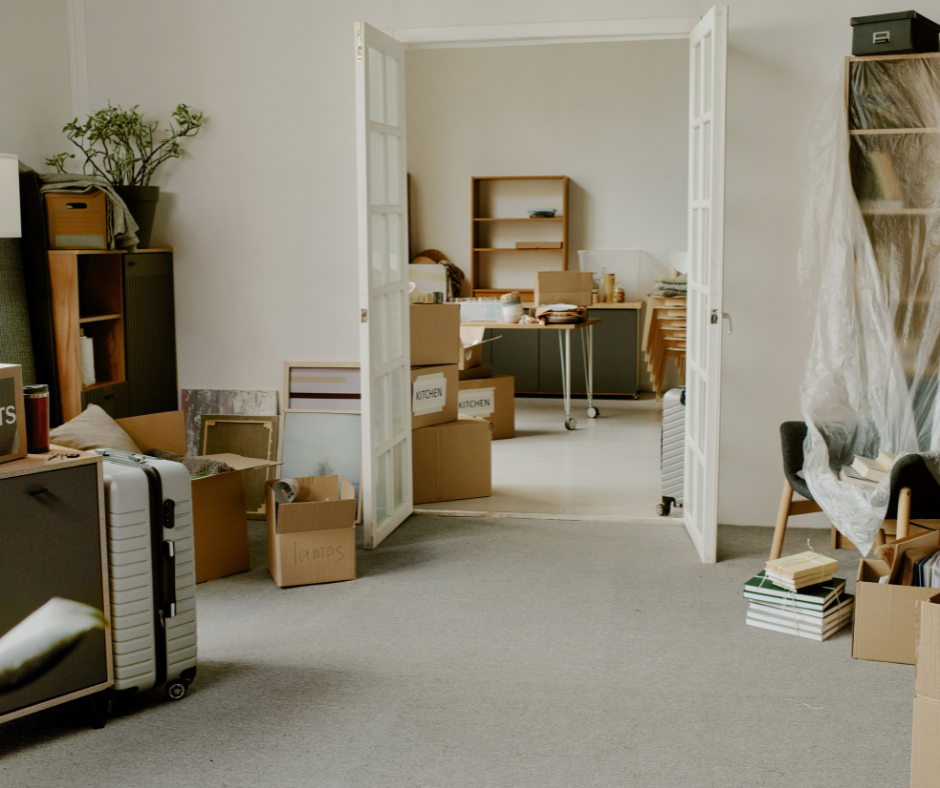
Every moving-out season, we field the same worried phone call. A tenant is halfway through packing, convinced the agent is going to dock their bond unless they scrub, polish and repair every last thing in the place before handover. Nine times out of ten, they have it back to front.
Landlord vs tenant cleaning responsibilities are the source of more end-of-lease arguments than almost anything else, and they rarely get sorted out until there is money on the line. The trouble is that "leave it clean" gets read as "leave it spotless, inside and out, top to bottom," and that is simply not what the law asks of a tenant.
After years of handling end-of-lease cleaning services across Sydney, Perth and Adelaide,
NSCG Maintenance Services has seen exactly where the line sits and where people trip over it. Here is what actually falls to you as a tenant, what stays with the landlord, and how to make sure none of it costs you your bond.
Who's Responsible for Cleaning at the End of a Lease?
At the end of a lease, the tenant is responsible for the everyday cleaning that returns the property to a reasonably clean state, such as kitchen, bathroom, floors, interior windows, dusting, and routine garden upkeep like mowing and weeding. The landlord stays responsible for property maintenance, structural repairs, and anything that needs working at height, such as clearing the gutters.
In short, tenants clean, landlords maintain. The line between the two, and the "fair wear and tear" rule that sits over both, is where nearly every dispute comes from.
At NSCG Maintenance Services, we handle the tenant's side of a move-out clean every week across Sydney, Perth and Adelaide, so we see exactly where that line falls in practice.
What "Reasonably Clean" Actually Means at the End of a Lease
The phrase that causes nearly all the arguments is "reasonably clean." It appears in tenancy law right across the country, and it is deliberately not the same as "spotless" or "as new."
Reasonably clean is a standard, not a perfection test. It means the property should be handed back in a genuinely clean state, kitchen wiped down, floors done, bathroom scrubbed, no grime left behind, but it does not mean the place has to look like it did the day it was built. A carpet that has faded slightly over three years of normal foot traffic is still reasonably clean. A carpet with a fresh red wine stain trodden into it is not.
Most disputes we see do not come from a tenant being lazy. They come from two people holding different pictures of what "reasonable" looks like. Getting clear on that standard before handover day is half the battle.
Tenant Responsibilities: Your End-of-Tenancy Cleaning Requirements
Your job as a tenant is the everyday cleaning, the work that keeps a home liveable and presentable. It is worth knowing exactly what is on your list, because that is precisely what keeps your bond safe when you hand the keys back.
In NSW, tenants are responsible for keeping the property reasonably clean throughout the tenancy and handing it back in that same condition, fair wear and tear aside. Here are the typical
inclusions of an end-of-tenancy cleaning responsibilities:
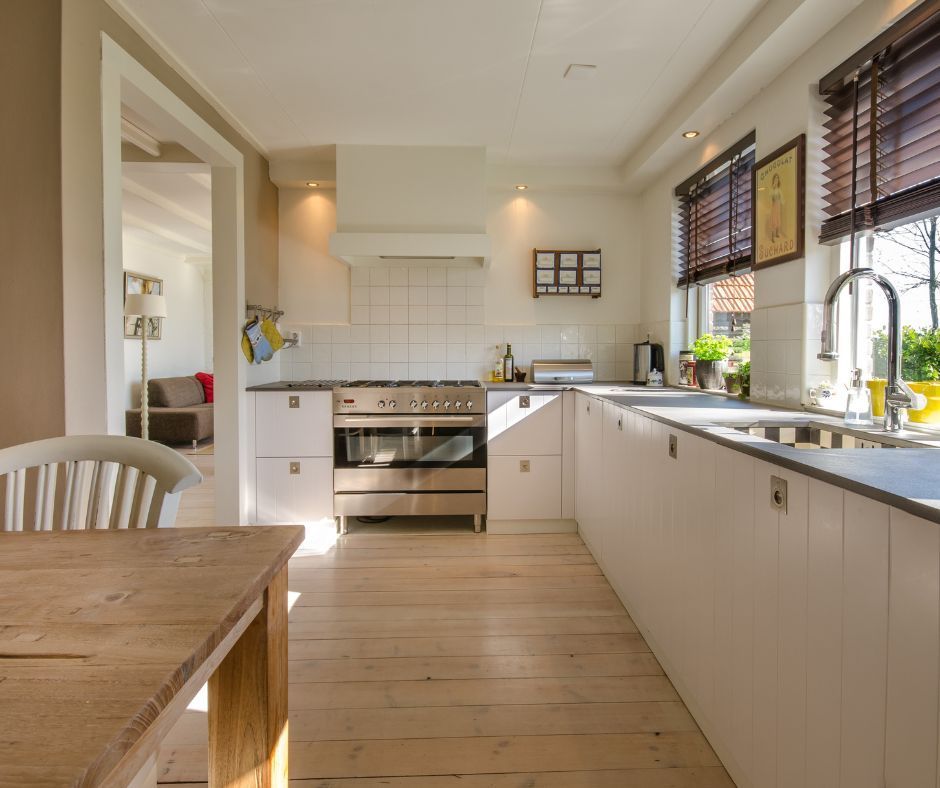
- Kitchen: benches, splashbacks, sink, and the inside and outside of the oven and cooktop
- Bathroom: toilet, basin, shower, bath, tiles, and mirrors
- Floors: vacuuming and mopping throughout
- Interior windows and any glass you can safely reach
- Dusting and removing cobwebs inside and around the property
- Routine garden upkeep such as mowing, watering, and weeding
- Replacing any light bulbs that have blown
Notice what is on that list and what is not. Your end-of-tenancy cleaning requirements cover everyday cleaning and light garden care, not climbing onto the roof.
Landlord Responsibilities: What Falls Outside Your Cleaning Duty
Here is where a lot of tenant anxiety is misplaced, and where landlord vs tenant cleaning responsibilities most often get muddled. Plenty of the things people assume are their mess to fix are actually the landlord's maintenance obligation.
The landlord is responsible for providing and maintaining the property in reasonable repair. That is a maintenance duty, and it is separate from the day-to-day cleaning a tenant does. It covers structural upkeep, anything that needs specialist access or working at height, and fixing items that fail through normal age and use rather than tenant misuse.
Gutters sit squarely in this category. So do things like a failing hot water system, a leaking roof, or a fence that has rotted over time. None of these is a tenant's problem to solve at move-out. Knowing this distinction matters, because it stops you from spending your last week before handover, and possibly your own money, on jobs that were never yours to do.
The Grey Areas: Gutters, Gardens, Carpets and Pests
The clean-cut cases are easy. It is the grey areas where tenants and landlords genuinely clash, so it is worth taking each one on its own.
Gutters
In NSW, gutter cleaning is a landlord's responsibility. The NSW Government's own rental property maintenance guidance frames it as part of keeping the property in reasonable repair, and because it involves working at height, it is not reasonable to expect a tenant to do it.
The only time it flips is where a tenant deliberately or negligently caused the blockage, for instance, by throwing something onto the roof or ignoring an obvious overflow they should have reported. In that narrow case, the cost of clearing it can be passed back to them.
Garden and Lawn Upkeep
Routine garden care is the tenant's job. Mowing, watering, and weeding all count as keeping the property reasonably maintained. What does not fall to the tenant is the bigger structural garden work, such as large tree pruning, irrigation repairs, or replacing established plantings. Those are the landlord's, in the same way gutters are.
Pest Control
Carpet that is a little flattened or faded from years of ordinary use is fair wear and tear, and you cannot be charged for it.
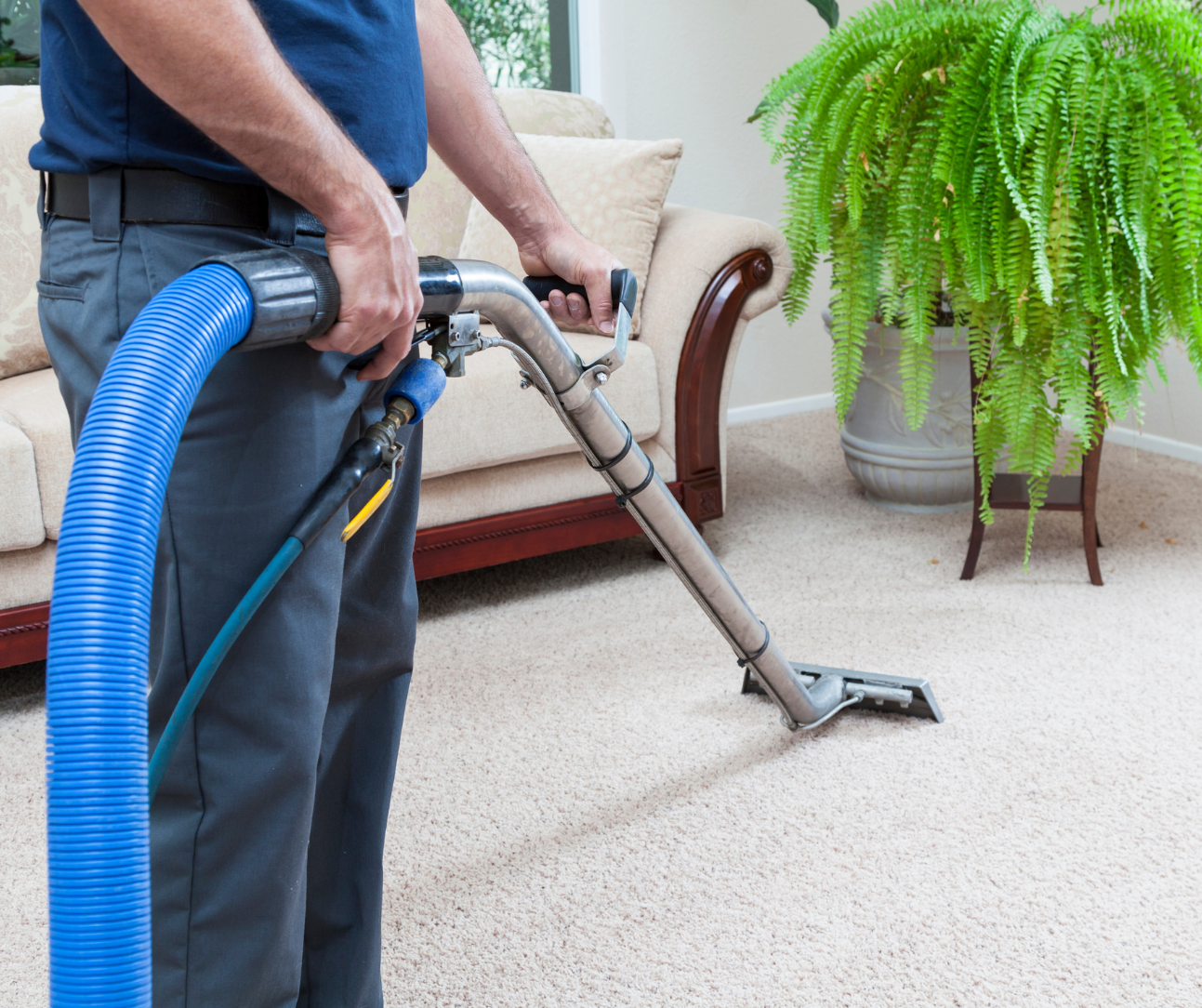
Carpet with stains, pet odour, or marks beyond normal use is a different story, and that is where a professional carpet cleaning earns its keep. Whether you are strictly required to pay for professional carpet cleaning is its own question.
Pest Control
Pests turn on where they came from. If an infestation was already present when you moved in, or it stems from a structural problem with the building, it is the landlord's responsibility to deal with. If the pests are the result of how the property was used during the tenancy, for example, rubbish left to pile up, the tenant is more likely to be on the hook. As with everything else, the earlier you report a problem, the easier it is to show it was not yours to cause.
Quick Check
Use this table as a quick reference for who handles what at move-out:
| Task | Tenant | Landlord |
|---|---|---|
| Kitchen, bathroom, floors, and interior windows | ✓ | |
| Dusting and cobweb removal | ✓ | |
| Routine mowing, watering, weeding | ✓ | |
| Replacing blown light bulbs | ✓ | |
| Gutter cleaning | Only if tenant-caused | ✓ |
| Large tree pruning, irrigation repairs | ✓ | |
| Carpet: fair wear and tear | ✓ | |
| Carpet: stains and genuine soiling | ✓ | |
| Pre-existing or structural pest issues | ✓ | |
| Pest issues caused during the tenancy | ✓ | |
| Structural repairs, hot water, roof, fences | ✓ |
Fair Wear and Tear vs Damage: Why This Determines Who Pays
If you take one concept away from this whole article, make it this one. Fair wear and tear is the single idea that decides who pays for what at the end of a lease, and it underpins almost every dispute we have ever seen.
Fair wear and tear is the gradual deterioration that happens through normal, everyday living. The carpet has thinned along a hallway. Paint that has dulled. Scuffs on a wall from ordinary use. A tenant cannot be charged for any of it, because it is the expected result of someone actually living in the home.
Damage is different. Damage is harm caused by accident, neglect, or misuse, such as a hole punched in a door, a burn in the benchtop, or a stain that will not lift. That, a tenant can be held responsible for.
The reason this matters so much at handover is that it decides your bond return. A landlord who wants to claim against your bond for cleaning or repairs has to show the issue is genuinely beyond fair wear and tear. If it is just ordinary ageing, the claim does not stand.
How Landlord vs Tenant Cleaning Responsibilities Differ Across NSW, WA & South Australia
The good news for anyone renting across more than one state is that the core principle barely changes. Leave the property reasonably clean, allow for fair wear and tear, and structural maintenance stays with the landlord. What shifts are the wording and the body you deal with if things go wrong.
New South Wales
Governed by the Residential Tenancies Act 2010. Tenants must leave the property reasonably clean, while general repairs and structural maintenance stay with the landlord. Disputes are heard by the NSW Civil and Administrative Tribunal (NCAT).
Western Australia
WA's Consumer Protection guidance confirms the landlord handles property upkeep and repairs, while the tenant covers basic household cleaning like vacuuming, windows, dusting and cobwebs.
South Australia
Governed by the Residential Tenancies Act 1995. As the SA Government maintenance guidance sets out, landlords handle repairs needed to keep the property in reasonable condition, while tenants cover everyday care and are only liable for damage caused by their own misuse.
What Happens If There's a Dispute Over Cleaning at Move-Out
Even with the rules straight, disagreements happen. When they do, it almost always comes down to evidence. Understanding your end-of-lease cleaning responsibilities is one thing, but being able to show you met them is what actually settles a claim.
The condition report you completed at the start of the tenancy is your single most powerful document. Alongside dated photos taken at move-in and move-out, it is what proves the state you received the property in versus the state you left it. If a landlord raises a cleaning claim against your bond, they have to demonstrate that the problem is beyond fair wear and tear, and your records are what push back on that.
The simplest
way to get your bond money back without a dispute is a professional clean with an itemised receipt. Handing your agent a receipt that shows the property was professionally cleaned to standard removes most of the argument before it starts, and it is almost always cheaper in time and stress than fighting a bond claim.
The Bottom Line on End-of-Lease Cleaning Responsibilities
The confusion around who cleans what at the end of a lease nearly always comes from not knowing where the line sits. Once you can see it, the whole thing gets a lot calmer. Tenants handle the everyday cleaning and light garden care. Landlords handle gutters, structural maintenance, and anything that needs a ladder or a contractor. Fair wear and tear sits over the top of all of it, protecting you from being charged for the ordinary marks of having lived somewhere.
Sort that out before handover day, and you save yourself the stress, the last-minute panic, and the risk to your bond. If you would rather not think about any of it, we handle the tenant's side of end-of-lease cleaning across
Sydney,
Perth and
Adelaide, so you can hand back a property that is genuinely ready, with a receipt to prove it.
Key Takeaways
- The split is simple at its core: tenants handle everyday cleaning, landlords handle repairs and structural maintenance.
- "Reasonably clean" is a standard, not a demand for a spotless, brand-new-looking property.
- Routine garden upkeep like mowing, watering and weeding is a tenant's duty, while major garden and structural work is the landlord's.
- Fair wear and tear is the ordinary ageing of a property and is never something a tenant can be charged for.
- Carpets, gardens and pests are the most common grey areas and the most frequent source of bond disputes.
- The same principles apply across NSW, WA and SA, only the legislation and dispute bodies differ.
- A professional end-of-lease clean with an itemised receipt is one of the simplest ways to avoid a dispute altogether.
Frequently Asked Questions
Who is responsible for cleaning at the end of a lease, the tenant or the landlord?
The tenant is responsible for the everyday cleaning that returns the property to a reasonably clean state, such as kitchen, bathroom, floors, interior windows, dusting and routine garden upkeep. On the other hand, the landlord is responsible for repairs and structural maintenance, the things that keep the property in reasonable condition.
Does the tenant have to mow the lawn before moving out?
Yes. Routine garden maintenance, including mowing, watering and weeding, is generally a tenant's responsibility and forms part of keeping the property reasonably maintained. What is not your job is the larger structural garden work, like major tree pruning or irrigation repairs.
Do I have to pay for professional carpet cleaning when I move out?
Not automatically. If the carpet only shows fair wear and tear from normal use, you cannot be forced to pay for a professional clean. Where a lease specifically requires it, or the carpet has stains, odours or soiling beyond normal use, professional cleaning may be reasonable. It is one of the more contested areas, so keep your move-in condition report and photos handy.
What counts as fair wear and tear at the end of a lease?
Fair wear and tear is the gradual deterioration that comes from normal, everyday living, like faded paint, slightly worn carpet in high-traffic areas, and minor scuffs on walls. It is the expected result of someone occupying the home. It is different from damage, which is harm caused by accident, neglect or misuse, and for which a tenant can be held responsible.
Can a landlord charge me for pest control when I move out?
It depends on the cause. If the pest problem was pre-existing when you moved in, or it stems from a structural fault in the building, it is the landlord's responsibility. If the infestation resulted from how the property was used during your tenancy, the cost can fall to you. Reporting any pest issue early, in writing, makes it far easier to show where the responsibility lies.
Is the cleaning responsibility different in WA or South Australia?
The broad principles are the same across NSW, WA and South Australia. Leave the property reasonably clean, allow for fair wear and tear, and structural maintenance and repairs stay with the landlord. What differs is the specific legislation and the tribunal or authority you deal with in a dispute. If you are renting outside NSW, it is worth checking your own state's tenancy authority for the exact wording.
What happens if my landlord says the property wasn't clean enough?
They can raise it as a claim against your bond, but they have to show the issue is genuinely beyond fair wear and tear. This is where your condition report and dated move-out photos matter most, because they prove the state you left the property in. If you cannot reach an agreement, the matter can go to your state's tenancy tribunal, which will weigh the evidence from both sides.
Do I need to clean windows before moving out?
Yes, interior windows and any glass you can safely reach are part of a tenant's everyday cleaning duty. Exterior windows on upper levels, or any that require special equipment or working at height, are generally not something a tenant is expected to handle. If in doubt, clean what you can safely access and leave the rest.
What's the easiest way to avoid a cleaning dispute at the end of a lease?
Book a professional end-of-lease clean and keep the itemised receipt. Handing your agent proof that the property was professionally cleaned to standard removes most of the ambiguity before an argument can start. It is almost always cheaper, in both time and stress, than contesting a bond claim after the fact.
Does a landlord have to clean the property before I move in?
Yes. Just as a tenant must return the property reasonably clean, a landlord must provide it in a reasonably clean state and fit to live in at the start of the tenancy. This is exactly why completing your move-in report carefully and taking photos is so important. It sets the baseline that everything at the end of the lease is measured against.