Professional Carpet Cleaning vs DIY: Which is Better?
You've looked at the carpet. You know it needs a clean. Now you're weighing up whether to hire someone or rent a machine and do it yourself. It's a reasonable question, and the honest answer is: it depends on what you're dealing with.
Professional carpet cleaning vs DIY is not a one-size-fits-all debate. A DIY approach can handle light surface refreshes and the occasional small spill. But when it comes to deep cleaning, stubborn stains, or anything that's been building up over months, the gap between what a rental machine and a professional service can actually achieve is significant. Understanding that gap is what helps you make the right call for your carpets and your budget.
This guide breaks down both options clearly, covering how they differ, when each makes sense, and what the risks look like on either side.
Professional Carpet Cleaning vs DIY: The Short Answer
For light dirt and routine maintenance between professional visits, a DIY clean or rented machine can do the job. But for deep cleaning, heavy staining, allergen removal, annual maintenance, or preparing a rental property for inspection, professional cleaning delivers results that are simply out of reach for consumer equipment.
NSCG Cleaning and Maintenance Services, with over 15 years of providing
carpet cleaning in Sydney, works with homeowners, strata managers, and landlords on this exact question every week. The consistent finding: carpets cleaned professionally last longer, look better, and are healthier to live on. DIY has its place, but it works best as maintenance between professional visits, not as a substitute for them.
Overview of the Difference Between Professional and DIY Carpet Cleaning
The core difference comes down to three things: equipment power, expertise, and the depth of clean each method can actually reach.
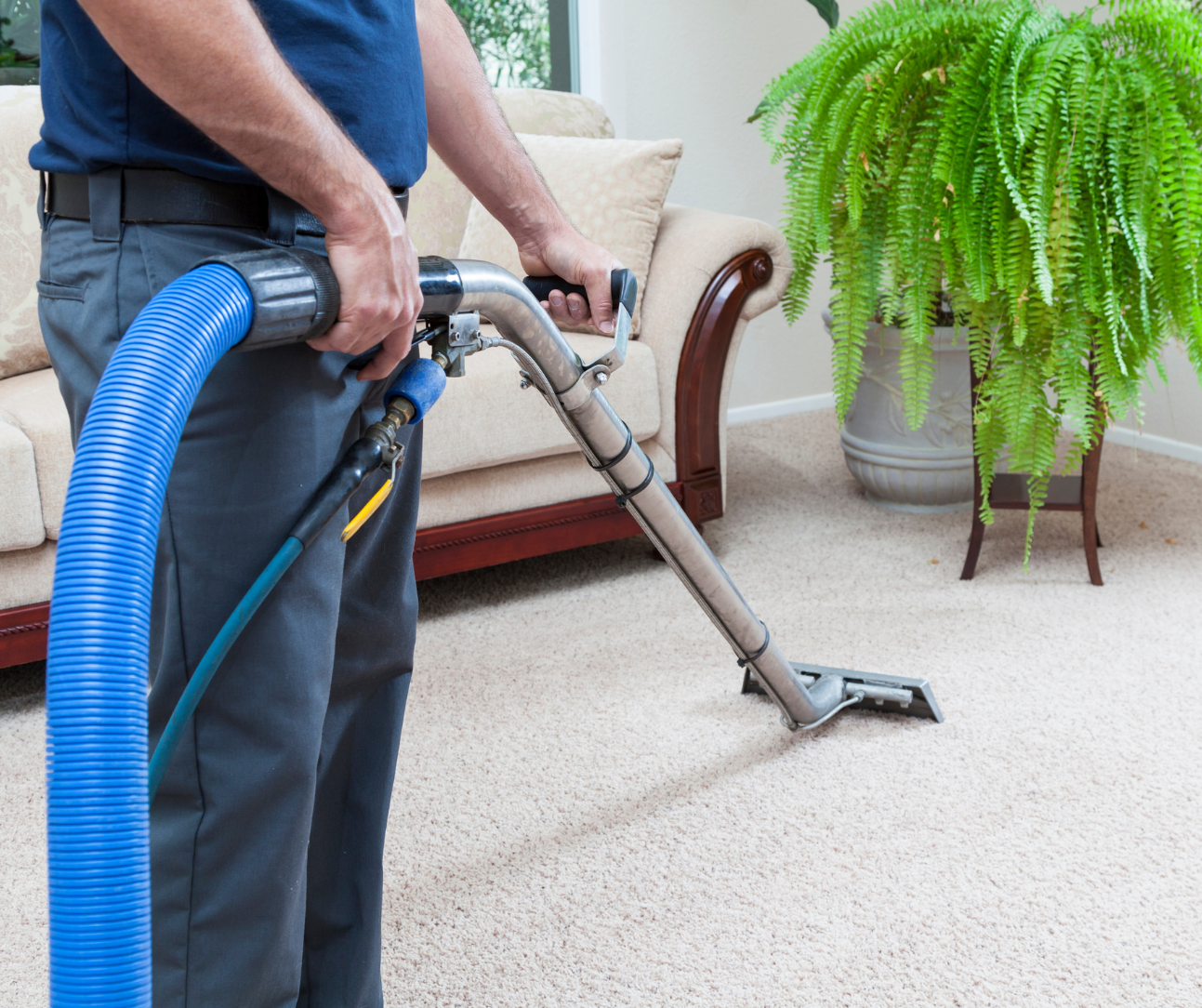
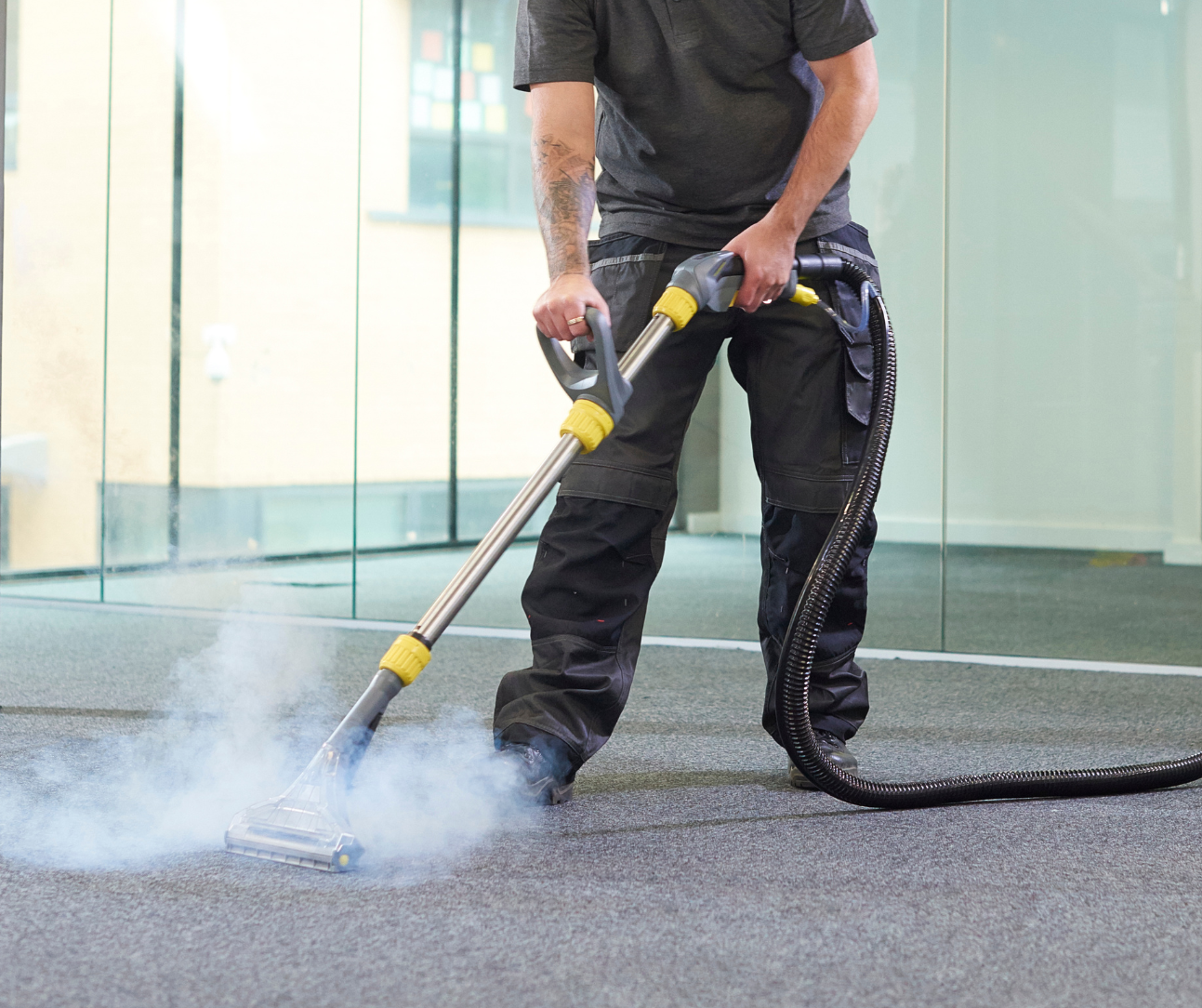
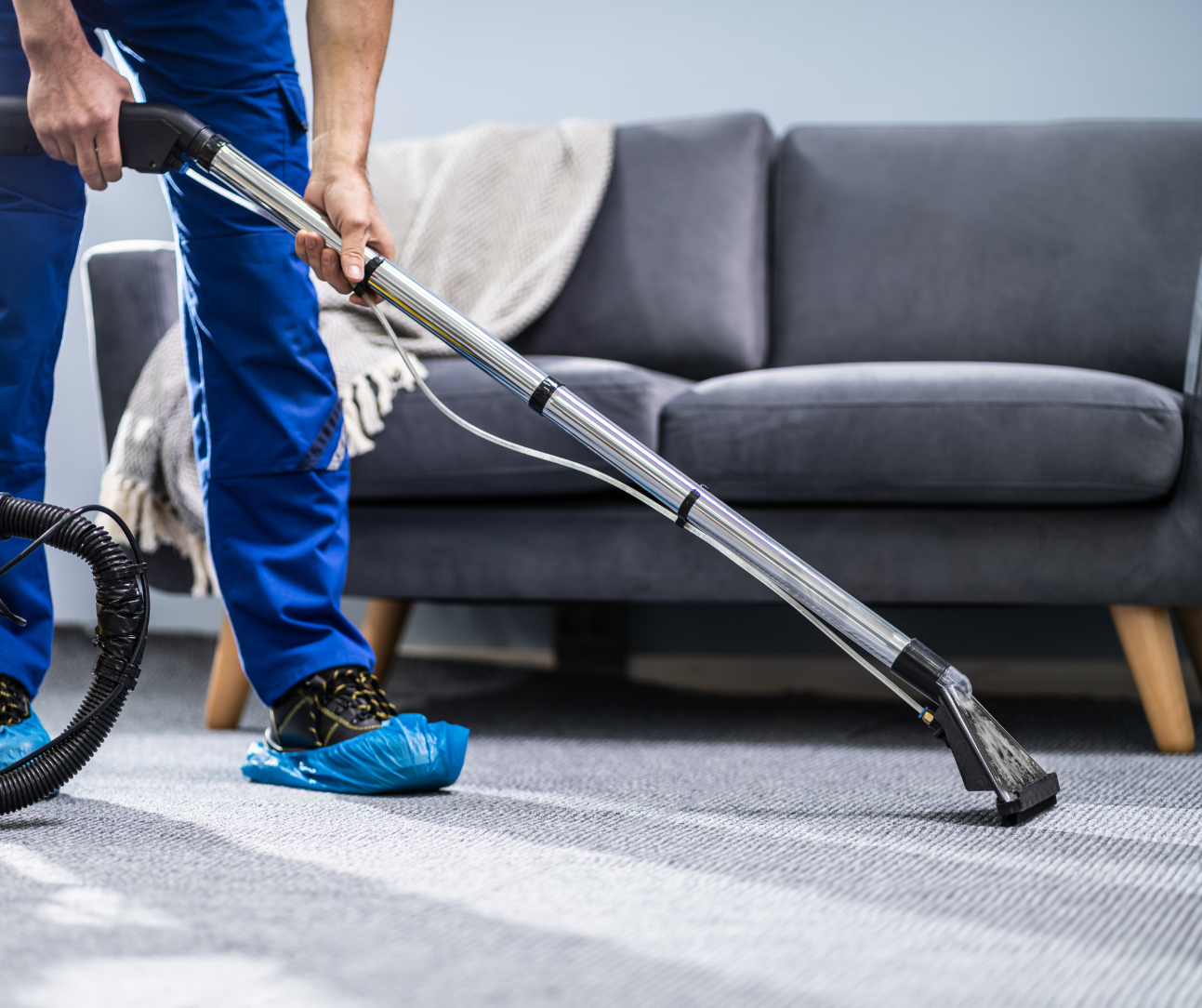
Professional carpet cleaning is carried out by trained technicians using industrial hot water extraction equipment. The process involves pressurising water to very high temperatures, injecting it deep into carpet fibres, and extracting it immediately alongside the dirt, dust, allergens, and contaminants it has dislodged. The machines used commercially have suction capability and heat output that simply cannot be replicated by anything available for household use or rental hire.
DIY carpet cleaning typically means renting a machine or using a consumer-grade home cleaner. These machines do clean the surface of the carpet and can remove visible dirt and light staining. But their water pressure, heat, and extraction power are all considerably lower than professional equipment, which affects both the depth of the clean and the carpet drying time.
Expert tip from NSCG: Our professional equipment operates at 180 degrees. That temperature matters. It breaks down bacteria, dust mite residue, and embedded grime at a level that a rental machine operating at standard temperatures cannot reach.
DIY Carpet Cleaning vs Professional Service: A Side-by-Side Comparison
Before going deeper on each option, here is a practical comparison across the factors that matter most to most households:
| Factor | Professional Cleaning | DIY Cleaning |
|---|---|---|
| Upfront cost | Higher per session | Lower per session |
| Equipment quality | Industrial grade | Consumer or rental grade |
| Cleaning depth | Deep fibre extraction | Surface and light mid-fibre |
| Drying time | Typically 2 to 4 hours for dry cleaning; 6-12 hours for steam cleaning | Often 12 to 24 hours |
| Risk of damage | Low when done by trained technicians | Higher; Over-wetting and wrong products are common |
| Carpet lifespan impact | Extends it significantly | Minimal to moderate benefit |
| Allergen removal | Highly effective | Limited |
| Stain treatment | Specialist products and techniques | Consumer products, variable results |
| Suitability for end-of-lease inspection | Industry standard; Generally accepted by agents | Often insufficient for inspection requirements |
The table tells the most important part of the story: professional cleaning costs more per visit, but delivers measurably better results across almost every dimension that matters for the long-term condition of your carpet.
When Professional Carpet Cleaning is Worth It
Heavy Stains and Deep Soiling
Consumer equipment works on what it can reach. Professional cleaning reaches the base of the carpet pile, where dirt, oils, and stain residue accumulate over time. When staining is not treated correctly, the result is often a stain that appears lighter on the surface but has been pushed deeper into the fibres. That residue then draws more dirt to the same spot, and the stain reappears within weeks. Professionals carry enzyme-based treatments, specialist stain removers, and the equipment to flush and extract properly, which is why results last longer.
Health Reasons: Allergens, Dust Mites, and Indoor Air Quality
Carpets are effective filters. Over time they trap dust mites, pet dander, pollen, mould spores, and fine particles from everyday activity. That is actually a good thing, until the carpet becomes saturated and starts releasing those particles back into the air with every footstep. In Sydney's humid coastal climate, mould spores are a particular concern in carpets that retain moisture for extended periods.
Professional extraction removes allergens in carpet at a level that DIY cannot reach, because the combination of heat and high-powered suction pulls contaminants out from the base of the pile rather than dislodging them partway and leaving them in place. For families with young children, asthma sufferers, or anyone with allergies, this distinction is worth prioritising. NSCG's NDIS clients and strata residents are among those who benefit most from this level of clean.
End-of-Lease and Bond Cleaning
This is one of the most common situations where homeowners discover the limits of a DIY carpet cleaning the hard way. Property managers and real estate agents on the North Shore and Northern Beaches hold carpets to a defined standard at end-of-lease inspections. A clean that looks fine to a homeowner can still fall short of what an agent considers acceptable for a new tenant.
End-of-lease carpet cleaning handled by a professional service leaves a documented, thorough clean that agents recognise and accept. NSCG's vacate and end-of-lease cleaning covers carpets as part of a full property clean, which is often the most efficient way to handle inspection preparation, so you can get your bond money returned without disputes.
Carpets That Have Not Been Cleaned in Over 12 Months
After a year without a professional clean, the volume of embedded particles in a carpet pile is beyond what a consumer machine can address. Dirt acts abrasively at a microscopic level, grinding against fibres with every footstep and accelerating the wear that dulls colour and shortens carpet lifespan. A professional clean at this point is less about aesthetics and more about recovering the carpet's condition before that wear becomes irreversible.
Most carpet manufacturers and cleaning professionals recommend a full professional clean at least once every 12 months for a standard household. Homes with pets, children, or high foot traffic benefit from more frequent professional visits.
When DIY Carpet Cleaning Makes Sense
A balanced view on DIY carpet cleaning vs professional cleaning means acknowledging where the DIY option genuinely earns its place.
For immediate spill treatment, acting fast yourself is always the right call. Blotting a fresh spill before it sets, treating it with an appropriate solution, and keeping the area from spreading is effective first-aid for your carpet that does not require a professional.
For light surface refreshes between annual professional cleans, a consumer machine or rental unit can extend the feeling of freshness and manage light soiling in low-traffic areas. It works best as maintenance rather than a replacement for the deeper clean a professional provides once a year.
The Hidden Risks of DIY Carpet Cleaning
The most common DIY problems are not obvious until after the damage is done:
Over-wetting:
Consumer and rental machines extract far less moisture than professional equipment. Carpets left wet for 12 to 24 hours in a humid environment are at real risk of mould and mildew developing beneath the pile, particularly on the underlay.
Wrong products:
Using a cleaning solution that is too alkaline, too acidic, or simply not matched to the carpet type can bleach, discolour, or weaken fibres. Wool carpets are particularly vulnerable. Once the damage is done, it is rarely reversible.
Warranty voiding:
Many carpet manufacturers specify that cleaning with non-approved methods or products voids the manufacturer's warranty. This is worth checking before using any consumer product on a relatively new carpet.
Residue build-up:
Insufficient rinsing leaves soap residue embedded in the fibres. Residue is sticky. It attracts dirt. The result is a carpet that re-soils faster than it did before the clean, creating the frustrating experience of a carpet that looks dirtier within weeks of being cleaned.
Incorrect technique for the carpet type:
Loop pile, wool, and certain synthetic blends require specific approaches. Running a standard rental machine on the wrong carpet type can cause permanent textural damage.
Which Carpet Types Need Professional Cleaning?
Not all carpets are equal, and steam cleaning carpets or applying water-based methods indiscriminately is one of the most common causes of avoidable damage.
Wool Carpets
This type of carpet is made from natural fibres that are sensitive to heat, moisture, and pH levels. They require pH-neutral cleaning solutions, careful moisture control, and experienced handling. Over-wetting wool causes shrinkage and distortion. Professional handling is strongly recommended and, in many cases, required to maintain the manufacturer's warranty.
Loop Pile and Berber Carpets
They are vulnerable to fuzzing and snag damage if agitated with a rotary brush. These carpet types respond better to low-moisture or dry cleaning methods, which professionals can assess and apply correctly.
Nylon and Polyester Carpets
These are the most forgiving and can handle standard hot water extraction well. They still benefit significantly from professional-grade equipment over consumer alternatives, particularly for embedded dirt and stain treatment.
Stain-treated or Manufacturer-guaranteed carpets
They often carry specific care instructions. Using a DIY method that falls outside those instructions may void the treatment or the product warranty. A professional can confirm the correct cleaning approach for the specific carpet before starting work.
Expert tip from NSCG:
If you are unsure what type of carpet you have or what method suits it, call before booking anything. A quick conversation can prevent a costly mistake. Our team is happy to advise before any job.
Professional vs DIY Carpet Cleaning Cost in Sydney
Professional carpet cleaning costs vary depending on the size of the area being cleaned, the type of carpet, its current condition, the number of rooms, and whether specialist treatments like pet odour removal, stain protection, or deodorising are required. Access and building type also play a role in strata and commercial properties. Every carpet is different, which is why the only reliable way to get an accurate price is through a direct assessment or consultation.
On the DIY side, the upfront cost of hiring a rental machine and purchasing a cleaning solution appears lower. But the full picture includes your time, the quality of the result, the drying time required, and the genuine risk of damage that may cost more to repair than a professional clean would have. When those factors are weighed together, the value equation shifts considerably.
The most straightforward approach is to schedule an assessment with your trusted carpet cleaners, like NSCG, before any work begins.
Conclusion
Professional vs DIY carpet cleaning is ultimately a question of what outcome you need. For routine upkeep between professional visits, a DIY approach can be a practical and affordable option. But for deep cleaning, stain treatment, allergen removal, carpet type-specific care, or anything tied to a property inspection, professional equipment and expertise deliver results that consumer methods simply cannot match.
Carpets that are cleaned professionally, at the right intervals and with the right method, last longer, look better, and are healthier environments to live in. That is the core case for choosing professional cleaning for anything beyond a surface refresh.
If you're ready to see what a professional clean can actually do, NSCG Cleaning and Maintenance Services offers residential and commercial carpet cleaning services across Sydney's North Shore and Northern Beaches.
Get in touch for a no-pressure, honest assessment of your carpets and what they need.
Key Takeaways
- Professional carpet cleaning uses commercial-grade equipment that penetrates deep into carpet fibres, far beyond the reach of any consumer or rental machine.
- DIY cleaning is best suited to immediate spill treatment and light surface refreshes between annual professional visits, not as a full substitute for professional cleaning.
- Over-wetting is the most common DIY mistake, and in Sydney's humid coastal climate, it creates a real risk of mould and mildew developing beneath the carpet pile.
- Carpets cleaned professionally last longer because deep extraction removes abrasive particles that wear down fibres with every footstep.
- For end-of-lease cleaning, professional service is expected by most property managers. DIY cleaning frequently falls short of inspection standards and can put your bond at risk.
- Wool, loop pile, and stain-treated carpets should always be cleaned by a professional to avoid damage and to maintain any applicable manufacturer's warranty.
Frequently Asked Questions
Is professional carpet cleaning better than DIY?
For most situations, yes. Professional carpet cleaning uses industrial equipment, high-temperature extraction, and specialist products that reach deeper into carpet fibres and remove more contaminants than any consumer or rental machine can achieve. For heavy staining, allergen removal, annual deep cleaning, or end-of-lease preparation, professional cleaning is the more effective choice. DIY cleaning has a genuine role for quick spill treatment and light maintenance between professional visits, but it works best as a supplement to professional cleaning rather than a replacement.
How much does professional carpet cleaning cost in Sydney?
Pricing depends on a range of factors: the size of the area, carpet type and condition, number of rooms, and whether specialist treatments like pet odour removal or stain protection are required. There is no meaningful single figure because every carpet and every job is different. The best way to get an accurate price is to request a quote from our team, so we can assess each job individually and provide a clear quote before any work begins.
Can DIY carpet cleaning damage my carpet?
Yes, and more often than most people expect. Over-wetting is the most common problem. Consumer and rental machines do not extract moisture effectively, and carpets that stay wet for 12 to 24 hours can develop mould beneath the pile. Using the wrong cleaning product on wool, loop pile, or stain-treated carpets can cause bleaching, shrinkage, or fibre damage that is not reversible. Insufficient rinsing leaves residue in the fibres that attracts more dirt, causing the carpet to re-soil faster after the clean.
How long do carpets take to dry after professional cleaning?
Professional dry carpet cleaning takes approximately 2 to 4 hours, and around 6-12 hours for steam cleaning. Rental and consumer machines are far less effective at extraction, leaving carpets wet for anywhere from 12 to 24 hours. In a humid climate or a poorly ventilated space, that extended drying window significantly increases the risk of mould.
Do I need professional carpet cleaning for the end of the lease?
In most cases, yes. Property managers and real estate agents on Sydney's North Shore and Northern Beaches hold carpets to a defined standard at end-of-lease inspections. DIY cleaning, even when done carefully, frequently falls short of what agents consider acceptable for a new tenant. A professional clean, particularly one that is part of a complete vacate and end-of-lease service, provides the standard agents expect and can help protect your bond.
How often should I have my carpets professionally cleaned?
For a standard Sydney household, most carpet manufacturers and professional cleaners recommend a full professional clean at least once every 12 months. Homes with pets, children, or high foot traffic benefit from more frequent cleaning, and every 6 months is a reasonable guide for those households. Regular professional cleaning protects the carpet fibres from abrasive build-up and maintains the appearance and condition of the carpet over its full lifespan.
Can rental carpet cleaning machines match professional results?
No. Rental machines have lower water pressure, lower operating temperatures, and significantly weaker suction than commercial equipment. They can refresh the surface of a carpet and manage light soiling, but they cannot replicate the depth of extraction that professional cleaning delivers.
Does professional carpet cleaning remove pet odours and stains?
Yes, when the right treatments are used. Professionals apply enzyme-based solutions designed specifically to break down the organic compounds in pet urine and odour, which consumer products typically cannot address at the same level. For persistent pet odours or deep staining, professional treatment is generally the only method that resolves the problem completely rather than masking it.
What is carpet steam cleaning and is it the best carpet cleaning method?
Steam cleaning carpets involves injecting pressurised hot water deep into the carpet fibres and immediately extracting it along with the dirt, bacteria, allergens, and contaminants it has dislodged. It is recommended by most major carpet manufacturers as the preferred deep-cleaning method and is the primary technique used by NSCG for carpet cleaning in Sydney. For most carpet types, it delivers the deepest clean and the best long-term result. For carpets that cannot tolerate moisture, dry cleaning methods are an alternative. We offer both methods and explain when each is the right choice.