What Does an End-of-Lease Clean Include in NSW? Your Room-by-Room Checklist

Moving out of a rental? Before you hand back the keys, one job stands between you and your full bond: the end-of-lease clean. No, it is not a quick once-over with the vacuum. It is a proper, room-by-room reset that returns the property to the condition it was in on day one.
So what does an end-of-lease clean include? In short, every room in the property is cleaned to the standard your agent expects at the final inspection. Overlook the oven, the window tracks or the shower grout, and you could see money taken out of your bond.
Backed by more than 15 years of end-of-lease cleans across Sydney's North Shore and Northern Beaches, the team at NSCG Maintenance, led by CEO Ronny Marin, knows exactly what agents look for at handover. Below is the room-by-room list we work from, along with the NSW rules, the spots tenants forget most often, and a free printable version you can tick off as you go.
End of Lease Cleaning in NSW: The Short Answer
An end-of-lease clean covers every room in the property and returns it to the standard recorded on your entry condition report, allowing for fair wear and tear. In practice, that means a full clean of the kitchen (including the oven, rangehood and cupboards), the bathrooms (tiles, grout, shower screens and toilet), and every bedroom and living area (walls, windows, skirting boards, blinds and floors), plus any outdoor spaces, balcony or garage. The aim is simple: leave the place clean enough that your landlord or agent has no reason to hold back your bond.
Understanding End of Lease Cleaning Requirements in NSW
End-of-lease cleaning is not just a quick mop and wipe. Under a standard NSW residential tenancy, you are expected to return the property in the same condition it was in at the start of the lease, minus fair wear and tear. That means when your lease is up, and you are ready to move out, the place needs a genuine top-to-bottom clean before you hand back the keys.
Your entry condition report is the reference point for all of this. Anything marked clean when you moved in is expected to be clean when you leave, so it pays to compare the property against that report before the final inspection. Once the clean is done and the keys are back, you lodge your deposit claim through Rental Bonds Online, and under the NSW Government's bond refund process, your landlord or agent then has up to 14 days to accept or dispute it. Getting the clean right is the single biggest thing that keeps that refund moving smoothly.
Is a Professional Clean a Legal Requirement in NSW?
Let us clear up a common misconception. The NSW Residential Tenancies Act does not require you to hire a professional cleaner, but it does expect the property to be left "reasonably clean." What counts as reasonable can vary depending on the agent or landlord, and on what your condition report shows.
The Tenants' Union of NSW is clear that you do not have to pay for a professional end-of-lease cleaner if you would rather do the work yourself, though if you do hire one, it is worth telling the agent and keeping the receipt. If the property was professionally cleaned before you moved in, there is a good chance the same standard will be expected when you leave. Knowing what a bond standard clean actually involves helps you meet those expectations without any guesswork. Whether you tackle it yourself or book a professional end-of-lease clean, the standard you are aiming for is the same.
What Does an End-of-Lease Clean Include? Room-by-Room
Here is the room-by-room breakdown of exactly what an end-of-lease clean includes, so you can work through the property one space at a time.
Want it on paper? Download our
free printable end-of-lease cleaning checklist and tick off each room as you go.
Bedrooms
- Clean inside and behind wardrobes and drawers
- Wipe down wardrobe doors and handles
- Clean windows, frames, blinds and sills
- Dust and wipe doors and door frames
- Clean ceiling fans and blades
- Wipe skirting boards and light switches
- Vacuum carpets, including under the bed, and steam clean if required
Living Areas
- Remove cobwebs from ceiling corners
- Clean ceiling fans, air conditioners and filters
- Clean windows, blinds, sills and sliding door tracks
- Vacuum carpets and upholstery
- Spot clean walls and wipe away any marks
- Wipe furniture, light fittings, switches and doorknobs
- Sweep, vacuum and mop all floors
Dining Areas
- Dust and wipe furniture, including legs and backs
- Clean light fittings and ceiling fans
- Wipe floors and skirting boards
- Clean walls so they are free of food splashes and scuff marks
- Clean windows, sills and blinds
Kitchen
- Clean the oven inside and out, including the glass, trays, racks and grill
- Scrub the stovetop, knobs and rangehood, and clean the rangehood filter
- Wipe inside and outside all cupboards and drawers
- Clean the dishwasher, including the filter and door seal
- Pull out the fridge and clean behind and underneath (if the fridge is supplied)
- Sanitise benchtops, splashbacks and surfaces
- Scrub the sink, drain and taps, and clear the plughole
Bathroom & Laundry
- Sanitise floors, showers, basins and toilets, inside and out
- Clear residue and mineral build-up from showerheads and taps
- Clean glass, screens and shower doors until streak-free
- Remove soap scum from tiles and fixtures
- Get rid of mould from grout and silicone
- Clean the exhaust fan cover
- Shine mirrors, towel rails, bathtubs and vanities
- Clean the washing machine seal, filter and detergent drawer
Outdoor Areas, Balcony & Garage
If your rental has any outdoor space, it forms part of the clean too, and it is one of the most commonly forgotten sections at inspection time.
- Sweep and mop balconies, patios and decks, and hose down where needed
- Remove cobwebs from eaves and railings
- Mow the lawn, trim the edges and tidy garden beds
- Clean the garage floor, remove any oil marks and wipe the garage door
- Empty and rinse all outdoor and rubbish bins
- Clear leaves and debris from entryways, paths and steps
The Areas Tenants Most Often Forget in an End-of-Lease Cleaning Checklist
Even a careful cleaning can come undone over the small stuff that agents are trained to check. These are the spots we see missed most often, so give them extra attention before the final inspection:
- Oven trays, racks and the glass door
- Rangehood filters and kitchen exhaust
- Window and sliding door tracks
- Bathroom and laundry exhaust fans
- Behind and underneath the fridge and washing machine
- Skirting boards, light fittings and switches
- Walls behind doors and in corners
- The dishwasher filter and door seal
- Balcony drains, garage floors and outdoor bins
DIY or Hire a Professional? What to Weigh Up
Plenty of tenants clean the property themselves, and if you have kept on top of things during the lease, a careful DIY clean can absolutely get your bond back. The trade-off is time and effort, because a full clean on an empty home usually takes far longer than people expect once you factor in the oven, windows, tracks and outdoor areas.
Hiring a professional makes the most sense when you are short on time, the property is larger, or the lease specifies a bond standard clean. A good cleaner knows what agents look for and can return to address anything flagged at inspection. What it costs depends on the size and condition of the property, rather than a fixed rate, so it is worth understanding what impacts end-of-lease cleaning costs before you decide, then request a quote for your specific place.
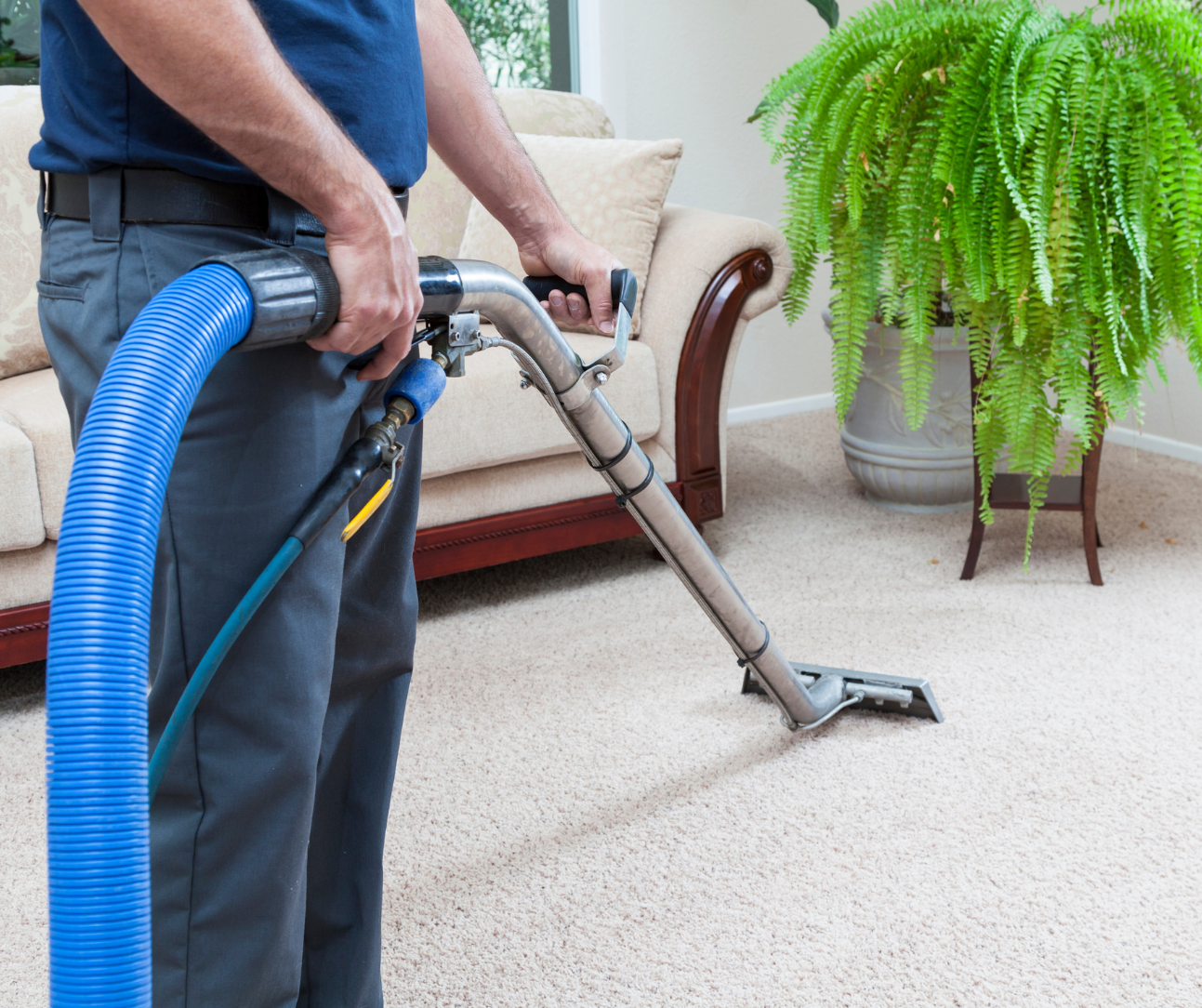
One thing worth checking early is your carpets. Some leases ask for professional carpet cleaning at the end of the tenancy, and whether that clause applies to you can shape your plan. If you do need it, our carpet steam cleaning service can handle it as part of the move-out.
Pro tip: Work top to bottom and room by room. Start with the kitchen and bathrooms, since they take the longest, and leave the floors until last, so you are not walking dust back through a space you have already finished.
Why Getting the Details Right Matters
Now that you know what an end-of-lease clean includes, it helps to understand why every detail is worth the effort. A thorough clean:
- Maximises your bond return by removing the most common reason agents make deductions
- Avoids disputes, because there is little to flag when everything expected has been cleaned
- Speeds up the final inspection, so the handover is quick and painless
- Protects your rental history, which makes your next application smoother
- Keeps you compliant with your tenancy agreement and the "reasonably clean" standard
- Reduces stress during an already busy moving period by giving you a clear plan
- Helps you avoid last-minute cleaning fees or charges for a re-clean
How to Avoid End-of-Lease Disputes
Want to get your bond back in full and without a back and forth? These habits keep you ahead of any inspection issues.
Check the Condition Report
Compare the property's current state with your entry condition report so you know exactly what needs cleaning or repairing before you hand it back.
Communicate Clearly with Your Agent
Keep things polite and clear with your property manager. Good communication makes any issue far easier to resolve.
Take Photos After Cleaning
Snap plenty of photos once the cleaning is done as proof that the property was left in good order. If a question comes up later, you have a clear record.
Keep Your Cleaning Receipts
If you hire a professional, hang on to the invoice. It shows you took the cleaning seriously and backs you up if anything is queried.
Address Damage Early
Do not leave repairs until the last minute. Fixing small marks and holes upfront avoids charges or bond deductions.
Leave the Property Empty
Make sure nothing is left behind. No furniture, no food in the fridge and no bins full of rubbish.
Let NSCG Maintenance Help You Tick Off Your End-of-Tenancy Cleaning Checklist in NSW
A proper end-of-lease clean is not just about making the place look good. It is about securing your bond, avoiding agent complaints and leaving behind a strong rental record.
At NSCG Maintenance, we are a trusted name across Sydney, especially on the North Shore and Northern Beaches, for reliable end-of-lease cleaning that meets NSW tenancy expectations. Our trained, police checked technicians know what property managers look for, and every job is covered by $20 million in public liability insurance, so you are in safe hands from start to finish.
Need more than a standard clean? We also offer professional window cleaning and carpet steam cleaning, plus deep sanitising for high-use areas like kitchens and bathrooms.
Book your end-of-lease clean with us today for a stress-free move and a spotless handover.
Key Takeaways
- An end-of-lease cleaning checklist helps you return the property to the standard on your entry condition report, minus fair wear and tear, which is what protects your bond.
- In NSW, you must leave the property "reasonably clean"; professional cleaning is not automatically required, but the standard expected is the same either way.
- The kitchen and bathrooms take the most work, while outdoor areas, exhaust fans, window tracks and behind the fridge are the spots most often missed.
- Check your entry condition report, take photos after cleaning and keep any receipts to avoid disputes at the final inspection.
- Whether you clean yourself or hire a professional, a thorough clean is the fastest route to a full bond refund and a smooth handover.
Frequently Asked Questions
What does an end-of-lease clean include?
An end-of-lease clean covers every room in the property, returning it to the condition recorded on your entry report, allowing for fair wear and tear. That includes the kitchen (oven, rangehood, cupboards and floors), bathrooms (tiles, grout, shower screens and toilets), bedrooms and living areas (walls, windows, skirting boards, blinds and carpets), and any outdoor spaces or garage. The exact scope depends on the property and what your condition report shows.
What should be included in an end-of-tenancy clean?
An end-of-tenancy cleaning checklist covers the same ground as an end-of-lease clean. A full, room-by-room clean plus outdoor areas and appliances. The terms "end-of-lease" and "end-of-tenancy" are used interchangeably in Australia and mean the same thing. The goal in every case is to meet the "reasonably clean" standard and match your entry condition report.
Can I do an end-of-lease clean myself?
Yes. There is no rule in NSW that says you must hire a professional, so a careful DIY clean can get your bond back, especially if you have kept the property tidy during the lease. The main trade-offs are time and thoroughness, since an empty property takes longer to clean properly than most people expect. If you are short on time or the lease specifies a bond standard clean, hiring a professional is often the safer choice.
Do I have to hire a professional cleaner for the end-of-lease in NSW?
Not usually. The NSW Residential Tenancies Act only requires the property to be left "reasonably clean," so professional cleaning is not automatically mandatory. The exception is where your tenancy agreement specifically requires it, for example, a professional carpet cleaning clause. Even without that clause, many tenants choose a professional clean simply to avoid disputes and save time during the move.
Is dirty grout considered fair wear and tear?
Light discolouration of grout over the years of normal use can fall under fair wear and tear, but built-up mould, soap scum and staining are generally treated as cleaning issues you are expected to address. In practice, agents expect grout to be scrubbed and free of visible mould at handover. If the grout was clean on your entry condition report, it should be clean when you leave.
Do I need to have the carpets professionally cleaned?
Only if your lease includes a clause requiring it, or if the carpets are heavily soiled beyond normal use. Your core obligation is to return the carpets in the same condition as the start of the tenancy, minus fair wear and tear, so a thorough vacuum may be enough in some cases. If a professional clean is needed, our carpet steam cleaning service can take care of it as part of your move-out.
How much does end-of-lease cleaning cost in NSW?
There is no fixed rate, because the cost depends on the size and condition of the property, the number of rooms and any extras like carpet steam cleaning or windows. A small unit will cost far less than a large house with outdoor areas. The best approach is to request a quote for your specific property, and our guide on what impacts end-of-lease cleaning costs explains the main factors in more detail.
What are the most commonly missed areas in an end-of-lease clean?
The usual culprits are oven trays and glass, rangehood filters, window and sliding door tracks, exhaust fans, and the space behind and underneath the fridge and washing machine. Skirting boards, light fittings, walls behind doors, and outdoor areas like balconies and garages are also easy to overlook. Working from a written checklist is the simplest way to make sure none of these slip through.
How long does an end-of-lease clean take?
It depends on the size and condition of the property, but a full clean of an empty home usually takes several hours, and a larger house can take most of a day. The kitchen and bathrooms take the longest, especially the oven and shower. Starting a day or two before your final inspection gives you time to redo anything that needs a second pass.
When should I book my end-of-lease clean?
Aim to have the property empty and cleaned a day or two before your final inspection, so there is time to fix anything that gets flagged. If you are hiring a professional, book at least a week or two ahead to secure your preferred date, particularly around the end of the month when demand is highest. Booking early also lets you coordinate the clean around your moving day.