Types of Window Cleaning Explained: Which Service Do You Need?

Most people think window cleaning is a straightforward service, but the right approach can vary a lot from one property to the next. The building type, the height of the windows, how easy they are to access, the type of glass, and the level of dirt or residue all influence what method will work best. It is also worth understanding the broader benefits of window cleaning, from improving natural light and visibility to helping a property look cleaner, brighter, and better maintained.
This is why window cleaning is not a one-size-fits-all service. A ground-floor home, a retail shopfront, an office fitout, and a multi-storey building all present different challenges and often need different tools, equipment, and cleaning methods. Some windows can be cleaned effectively by hand, while others may require extension tools, purified water systems, or more specialised access planning to achieve a safe and consistent result.
There are several types of window cleaning, and the right option depends on the height of the building, how easily the glass can be accessed, and the condition of the surface.
This guide outlines the main window cleaning types, explains where each method works best, and helps you understand the differences between them so you can choose the most suitable window cleaning service for your property.

Why Different Types of Window Cleaning Exist
Window cleaning is not one-size-fits-all because windows themselves are not one-size-fits-all. A ground-floor bedroom window, a shopfront entry, an office partition, and a high external pane on a multi-storey building all present different access, safety, and finish requirements.
Access is one of the biggest reasons there are different types of window cleaning. Some glass can be cleaned comfortably by hand. Other windows sit above awnings, over landscaping, inside atriums, or several storeys up, which changes the equipment and planning required. Location matters too. Interior glass usually collects fingerprints, dust, smears, and general day-to-day marks, while exterior glass deals with weather, pollution, cobwebs, bird droppings, and mineral spotting.
Property type also shapes the service. Residential window cleaning often focus on presentation and routine upkeep. Commercial and strata properties window washing may need more regular scheduling, broader site coordination, and a cleaner finish across larger glass areas. Then there is scope. In many cases, window cleaning extends beyond the pane itself to include screens, tracks, sills, frames, mirrors, or internal glass features.
Safety is the final piece. As height and complexity increase, the right cleaning method is often driven as much by safe access as by the glass itself.
Interior vs Exterior Window Cleaning Types
Interior and exterior window cleaning may sound similar, but they solve different problems and often require different techniques. Understanding that distinction helps you choose the right service and set the right expectations.
Interior Window Cleaning
Interior window cleaning focuses on the glass inside the property. Common marks include fingerprints around handles and doors, dust settling on panes, light haze, pet nose prints, and smears left by daily use. In offices, internal glass can also pick up hand marks, splash residue, and presentation issues around meeting rooms or entry areas.
Because interior glass is usually easier to access and often needs a neater finish at close range, it is well-suited to traditional hand-cleaning methods. Applicators, squeegees, microfibre cloths, and detail work all play a part. This type of cleaning is often included in routine home maintenance, end-of-lease preparation, office presentation cleans, and pre-inspection touch-ups.
Exterior Window Cleaning
Exterior window cleaning deals with outside-facing glass, where buildup is often heavier and more stubborn. Rain spotting, road grime, cobwebs, bird droppings, pollution, leaves, and coastal residue can all dull the finish. In Australian conditions, exposure can vary sharply depending on whether the property sits near busy roads, open weather, tree cover, or salt air.
The method used for exterior glass depends heavily on height and access. Some windows can still be cleaned by hand, while others may require extension equipment or purified water systems to reach safely and efficiently.
Why Many Properties Need Both
Many properties need both services because dirt affects clarity from both sides. Exterior buildup is usually more noticeable first, but interior marks can still make glass look dull once the sun hits it. For the cleanest result, especially before inspections, events, opens, or client visits, a full clean inside and out is often the better option.
Not sure what you need? Start by asking
NSCG Maintenance whether the issue is inside, outside, or both, then consider whether the exterior glass is easy or difficult to access.
Traditional Hand Cleaning Among the Main Types of Window Cleaning Services
Traditional hand cleaning is the method most people picture when they think of professional window cleaning. It uses familiar tools such as applicators, squeegees, cloths, scrapers, and detail towels to clean glass carefully and leave a crisp finish.
This method works especially well on accessible windows where close attention to detail matters. That includes interior glass, entry doors, shopfronts, office glass, lower-level residential windows, and other panes that can be reached safely without specialised height access. It is also a strong choice when the final result needs to look polished at eye level, where streaks, corner marks, and missed edges are easy to spot.
Traditional hand cleaning remains widely used because it is versatile, reliable, and well-suited to routine residential and commercial work. It allows cleaners to focus on the fine details around edges, frames, and heavily handled areas. For many homes and businesses, it is still one of the most practical window cleaning types available.
That said, it is not always the most efficient option for every job. Once glass becomes higher, harder to reach, or spread across awkward elevations, hand cleaning may become slower or less practical. In those situations, another method may offer safer access and better efficiency without compromising the result. The right choice comes down to the property layout, the height of the windows, and the level of detail required.
High Access Window Cleaning for Hard-to-Reach Glass
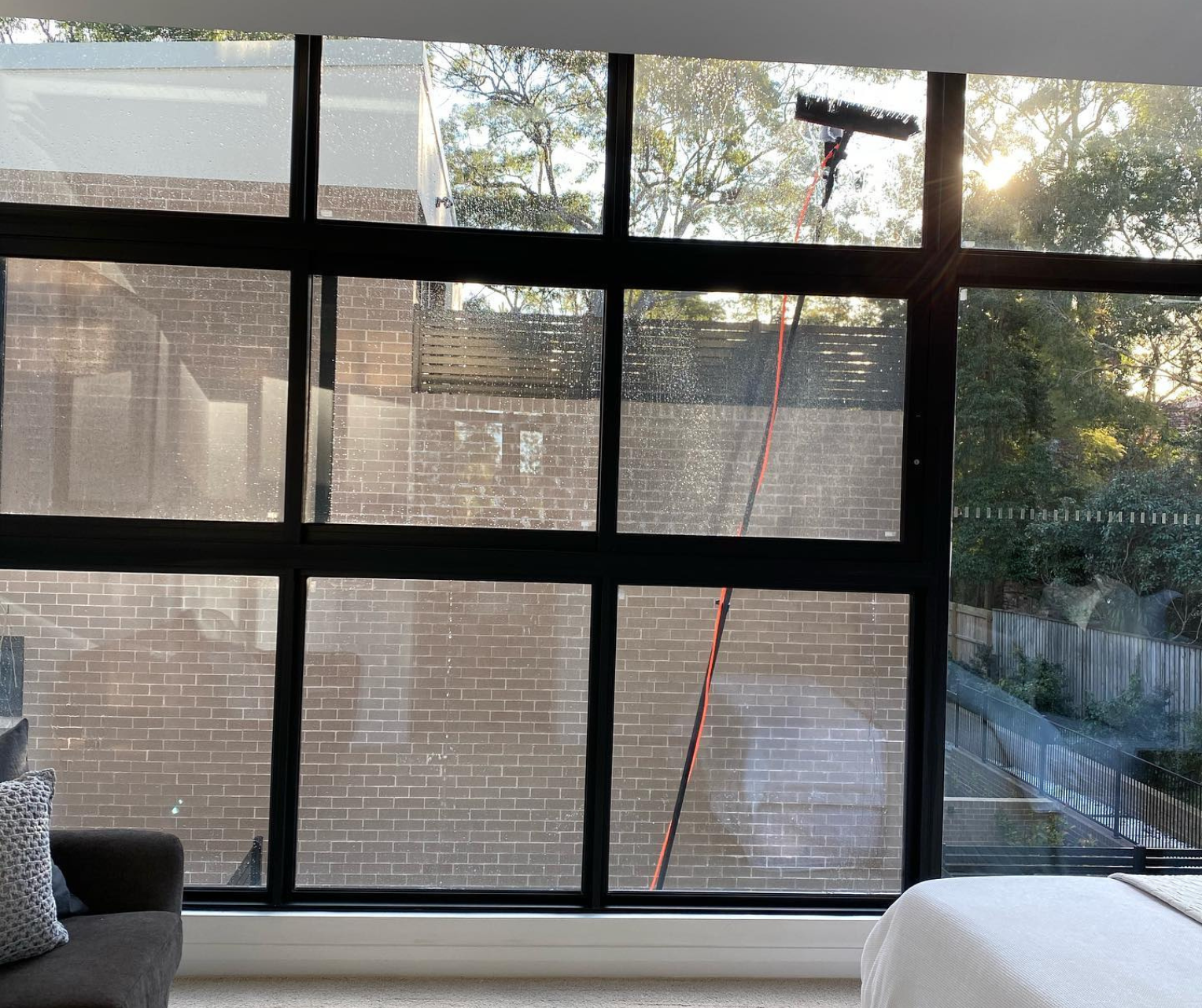
High-access window cleaning applies to glass that cannot be cleaned safely or efficiently with standard hand methods alone. This usually involves exterior windows on taller buildings, awkward architectural layouts, or sites where obstacles make direct access difficult. In these cases, the method is shaped by two things above all else: safe access and site suitability.
Depending on the job, high-access cleaning may involve ladders, extension tools, elevated platforms, or other access methods appropriate to the building and surrounding area. It may also involve purified water delivered through specialised poles and brushes. These systems are often chosen when ground-based access is preferred and the glass sits beyond normal hand-cleaning reach.
What makes high-access cleaning different from traditional hand cleaning is not just the height. It is the level of planning around the site. Exterior conditions, surrounding structures, pedestrian zones, landscaping, traffic movement, and the building’s layout can all influence how the job is approached. On commercial and multi-storey sites, planning becomes especially important because the safest method is not always the most obvious one.
When High-Access Cleaning Is Needed
This approach is particularly useful for external glass because it allows larger or higher areas to be cleaned more efficiently while keeping safety at the forefront. It is commonly used across:
- Offices
- Strata buildings
- Mixed-use sites
- Properties with difficult external access
- Multi-storey buildings
- Windows above awnings or extensions
- Awkward architectural designs
- Internal atriums
- High foyer glass
- Commercial sites where standard equipment cannot comfortably reach the work area
- Situations where safe ground-based cleaning is a better option than repeated ladder work
Why This Matters
As height and complexity increase, so do the access and safety considerations. Not every building can be cleaned in the same way, even when the glass looks similar from the ground. That is why professional assessment matters. Among the more specialised types of window cleaning services, high-access work is less about using one fixed technique and more about choosing the right method for the property, the risks, and the finish required.
Related Services Often Included with Window Cleaning
Window cleaning often feels more complete when the surrounding elements are cleaned as well. Glass may be the main focus, but dust, debris, and grime around the edges can affect the overall result just as much. A complete service scope is one of the details that separates different types of window cleaning and helps property owners choose the right level of service.
Screen Cleaning
Flyscreens can trap dust, cobwebs, pollen, and fine debris. If they are left dirty, they can dull the look of otherwise clean glass and reduce airflow. Cleaning screens can noticeably improve the final result, especially in homes and lower-level commercial settings.
Track and Sill Cleaning
Tracks and sills often collect leaves, insects, dust, moisture, and built-up grime over time. These areas are easy to overlook, but they can make freshly cleaned windows still feel unfinished. Including them in the service creates a cleaner overall presentation.
Frame Cleaning
Frames help shape the look of the glass. When frames are dusty or stained, the window area can still appear tired even after the pane itself has been cleaned. Frame cleaning is especially useful when presentation matters, such as before inspections, open homes, or client-facing visits.
Glass Partitions, Mirrors, and Specialty Glass
Many properties also include internal glass beyond standard windows. Offices may have glass partitions and meeting room panels. Bathrooms, gyms, and retail interiors often include mirrors and other specialty glass surfaces. Skylights and feature glass may also fall into the broader service scope depending on the property.
How to Choose the Right Type of Window Cleaning Services
Choosing between the main window cleaning types is easier when you look at the property in a structured way rather than starting with the method itself. The goal is to match the service to the glass, the access conditions, and the level of finish you actually need.
Consider the Height and Access
Start with reach. Ground-floor windows with clear access are usually straightforward and often suit traditional hand cleaning. Upper-storey windows, glass over extensions, and tight side paths may call for extension equipment or a higher-access approach. If the building has awkward angles, limited clearance, or high internal glass, access planning becomes a major part of the job.
Think About the Type of Property
The right service for a home may not be the right service for a commercial or strata site. Residential properties often prioritise a neat, detailed finish and flexible scheduling. Commercial properties may need regular maintenance to keep entry glass and customer-facing areas presentable. Strata and industrial sites can involve broader access issues, larger glass areas, and more coordination.
Look at the Condition of the Glass
Light dust, fingerprints, and routine smudges are different from built-up external grime, mineral spotting, or heavy residue. The condition of the glass helps determine both the method and the expected scope. Some jobs are simple maintenance cleans. Others need a more detailed approach across the glass and surrounding components.
Decide How Complete the Service Should Be
Finally, decide whether you want glass only or a fuller clean that includes frames, tracks, sills, and screens. It also helps to think about whether this is a one-off detailed clean or part of a recurring maintenance plan.
How Often Should Windows Be Cleaned?
There is no single cleaning schedule that suits every property. The right frequency depends on how the building is used, where it is located, how exposed the glass is, and how important presentation is on a day-to-day basis.
A standard home in a quieter area may only need professional cleaning occasionally to stay in good shape, while a shopfront, reception area, or office entry can need attention much more often because marks build up quickly and are noticed immediately. Properties near busy roads, coastal areas, construction activity, or dusty open spaces may also need more regular cleaning because external glass collects residue faster.
The same goes for building type. Commercial premises and shared strata spaces often benefit from a maintenance-based approach, where the goal is to keep glass consistently presentable rather than waiting until buildup becomes obvious. Residential properties may lean more toward seasonal or event-based cleaning, such as before entertaining, selling, leasing, or carrying out a broader property refresh.
Instead of following a rigid timetable, it is usually better to plan around visibility, exposure, and presentation standards. If the glass looks dull, blocks light, or affects the way the property is perceived, that is often the right time to schedule a clean.
DIY vs Professional Window Cleaning
When DIY May Be Enough
DIY cleaning can be enough for low, easy-to-reach interior glass, quick touch-ups, and simple maintenance between professional visits. For a few hand marks on an internal pane or light smudges on a mirror, a basic clean may do the job.
When Professional Cleaning Makes More Sense
Professional window cleaning is usually the better choice when the job involves more complexity, higher standards, or added safety considerations. It often makes more sense when:
- Windows are upper-level or difficult to access
- The property is larger and takes more time to clean thoroughly
- A higher presentation standard is needed for homes, offices, or commercial spaces
- The job includes detailed cleaning of tracks, screens, frames, or specialty glass
- Safety becomes a factor due to height, awkward access, or surrounding obstacles
- The right professional method can save time and deliver a better overall finish
Bottom Line
Choosing the right window cleaning service comes down to more than simply booking a clean. The best method depends on the type of property, the height and access of the windows, the condition of the glass, and the level of detail required. From routine interior cleaning to high-access external work, different situations call for different solutions.
Understanding the main types of window cleaning makes it easier to choose a service that is practical, safe, and suited to your building. Whether you are maintaining a home, presenting a shopfront, or managing a larger commercial site, the right approach can improve visibility, natural light, and the overall appearance of the property.
At NSCG Maintenance, window cleaning forms part of a broader property maintenance service designed to help homes, offices, commercial premises, and strata sites stay clean, presentable, and well-maintained. Depending on the job, that can also include related services such as office cleaning, pressure cleaning, residential cleaning, strata cleaning, and general exterior maintenance, giving property owners a more complete solution through one trusted team.
If you are unsure which option is right for your space, comparing the available types of window cleaning services is the best place to start. Then,
contact NSCG Maintenance to discuss your property, your access requirements, and the level of detail you need, and get the right service for a cleaner, brighter, and better-presented result.
Key Takeaways
- There are several types of window cleaning, and each one suits different building layouts, heights, access conditions, and finish expectations.
- Interior and exterior cleaning solve different problems, and many properties benefit most from having both done together.
- Traditional hand cleaning is ideal for accessible glass where detail matters, including homes, offices, and shopfronts.
- High-access methods are often needed for multi-storey or difficult-to-reach glass where safe planning and specialised equipment matter.
- Many types of window cleaning services also include screens, tracks, sills, frames, mirrors, and other glass features.
- The right service depends on the property, the condition of the glass, and how complete you want the clean to be.
- Regular professional cleaning can improve presentation, natural light, and the overall appearance of the property.
Frequently Asked Questions
What are the main types of window cleaning?
The main categories are interior window cleaning, exterior window cleaning, traditional hand cleaning for accessible glass, and high-access cleaning for harder-to-reach areas.
What is pure water window cleaning?
Pure water window cleaning uses purified water delivered through specialised poles and brushes to clean exterior glass, often from the ground, on suitable higher-access jobs.
Is pure water cleaning better than traditional window cleaning?
Not always. Each method suits different situations. Traditional hand cleaning is excellent for close-detail work, while purified water systems can be practical for certain external and higher windows.
Do window cleaners also clean screens and tracks?
Often, yes, but it depends on the service scope. Screens, tracks, sills, and frames are common add-ons or inclusions in more complete cleans.
How often should windows be professionally cleaned?
That depends on the property type, weather exposure, traffic, and presentation needs. Shopfronts and customer-facing spaces usually need more frequent cleaning than a standard home.
Can window cleaning remove stubborn marks or residue?
Routine cleaning can remove common dirt and buildup, but stubborn marks, mineral residue, paint, or damage may need specialised treatment or may not come away fully with a standard clean.