How to Get Your Bond Money Returned Without Disputes

Moving out is stressful enough without finding out your bond has been shaved down for grime behind the oven, soap scum in the shower, or a forgotten stain on the kitchen countertop. That is where many tenants slip up, not on major damage, but on rushed cleaning, delayed repairs, and weak documentation. If you are wondering how to get your bond money returned, the good news is that most deductions are avoidable. With a clear plan and the right timing, you can get your space inspection-ready and give yourself the best chance of getting your full bond back.
For tenants who want a more predictable move-out process, this guide gives you a practical, step-by-step approach to maximise your chances of a smooth refund, cut down the risk of disputes, and understand how the bond gets returned.
What a Rental Bond Covers at the End of a Tenancy
A rental bond is a security deposit held against certain tenancy-related costs at the end of the lease. Broadly, it can be used for unpaid rent, damage beyond normal use, breaches of the tenancy agreement, and cleaning or rectification work needed to return the property to the required condition. Understanding this is an important first step in how to get bond money returned, because it shows what landlords and property managers can legitimately claim at the end of a tenancy.
In NSW, for example, the bond is held as security if a tenant does not follow the tenancy agreement, and in Victoria, unpaid rent and some end-of-tenancy claims can be made against it.
One area that causes a lot of confusion is fair wear and tear versus damage. Fair wear and tear is the natural deterioration that comes from ordinary living over time, while damage is usually avoidable harm, breakage, neglect, or misuse.
The most common deduction categories are also the most common inspection pain points:
- Cleanliness issues, especially in kitchens, bathrooms, carpets and windows
- Property condition issues such as stains, breakages or unresolved maintenance
- Missing items like keys, fobs, garage remotes or manuals
- Unpaid rent, utilities or agreed invoices where the tenancy rules allow claims
Understanding these basics early helps you focus on what actually matters before handover, instead of wasting time on the wrong jobs.
End-of-Lease Checklist to How To Get Bond Money Returned Faster
If you want a quick checklist for getting your rental bond returned, start here:
- Pay all rent owing and any approved outstanding invoices before handover.
- Give the correct notice and follow the lease requirements for ending the tenancy.
- Fix issues early instead of leaving repairs until move-out week.
- Book professional end-of-lease cleaning.
- Attend the final inspection if possible, or send someone you trust.
- Lodge the bond claim promptly through the relevant state or territory process.
- Have your evidence ready, including photos, condition report, receipts, repair records and confirmation that you returned the keys.
It sounds straightforward, but in practice, these steps are often what determine whether you get your full bond back or face deductions.

Step-by-Step: How Does Bond Get Returned Without Unnecessary Disputes
A smooth refund is usually the result of timing, preparation, and proof. Here is the sequence that gives tenants the best chance of a clean finish.
Step 1: Start 2–4 Weeks Out
Start planning your move-out at least two to four weeks before handover. Create a room-by-room checklist and timeline, so you can see what needs cleaning, repairing, or documenting before inspection day. This is also the best time to decide what you can realistically handle yourself and which higher-risk jobs, like carpet moulds, outdoor pressure cleaning, or high windows, are better left to professionals. Booking services early also helps you line everything up closer to the final inspection.
Step 2: Know Your Obligations Before You Start
Before you begin cleaning or repairs, review your lease and entry condition report so you understand the standard the property needs to be returned to. These documents give you a clear benchmark for cleanliness, condition, and any items already noted at the start of the tenancy. Many bond disputes happen when the exit condition does not match the entry record, especially if pre-existing issues were never properly documented. The more closely you can compare the property’s current state to the original report, the easier it is to avoid confusion later.
Step 3: Leave the Property Inspection-ready
Focus on the areas property managers check most closely, including:
- Oven
- Rangehood Filter
- Splashback
- Cupboard
- Grout
- Mould
- Drains
- Carpets
- Hard Floors
- Windows
- Skirting Boards
- Outdoor Spaces
Small misses like dusty tracks, soap scum, greasy build-up, cobwebs, weeds, or overflowing bins can quickly lead to callbacks or deductions. This is where professional cleaning often gives tenants an advantage, because the work is more detailed and consistent across the whole property. A thorough, inspection-ready finish reduces the chance of anything being flagged after you move out.
Step 4: Final Inspection
Attend the final inspection if you can, or nominate someone to be there on your behalf, so any issues can be discussed straight away. This gives you the chance to clarify questions, address simple concerns, and avoid misunderstandings. Bring supporting evidence such as entry and exit photos, cleaning receipts, repair records, and confirmation of how keys or remotes will be returned. Being prepared makes the process smoother and puts you in a stronger position if anything is challenged.
Step 5: Lodge the Bond Claim Correctly
Once the property has been handed back, lodge your bond claim through the correct state or territory process as soon as you are eligible. The exact steps vary depending on where you rented, so it is important to follow the current process for your local bond authority. Timelines can differ, but delays are more likely when forms are incomplete or supporting documents are missing. Accurate details and clear documentation will help the claim move through with fewer complications.
State-by-State Bond Refund Basics Across Australia
Every state and territory has its own bond authority, portal, forms, and dispute pathway. The broad process is similar, but the mechanics differ.
- NSW: Bonds are managed through NSW Fair Trading’s Rental Bonds Online, where tenants can lodge, manage and claim bonds online.
- VIC: Claims are handled through the Residential Tenancies Bond Authority via the RTBA website.
- QLD: Refunds are requested through the Residential Tenancies Authority, commonly via RTA Web Services or Form 4.
- SA: Bonds can be refunded online through Residential Bonds Online or by bond refund form via Consumer and Business Services.
- WA: Bond processes sit with WA consumer protection systems and approved online forms.
- TAS: Tenants can claim through MyBond and the Rental Deposit Authority process.
- ACT: Refund requests are made through the ACT Rental Bonds system and portal processes.
- NT: Northern Territory rules differ, and official NT guidance should be checked carefully for current bond and security deposit steps.
Processes can change, so always confirm the current steps with your state or territory authority before you submit anything.
The Fastest Ways Tenants Lose Bond Money
Most bond losses are not dramatic. They come from small, preventable mistakes, such as:
Last-minute Cleaning
Leaving the clean until the final day often means rushing through the job and overlooking details that show up during inspection. Areas like ovens, grout, window tracks, skirting boards, and outdoor spaces are easy to miss when time is tight.
Poor Carpet DIY
DIY carpet or spot cleaning can leave behind water marks, residue, or lingering odours if it is not done properly. Instead of improving the result, it can make stains look worse and create another issue for the final inspection.
No Documentation
If pre-existing damage or past maintenance issues were never recorded, it becomes much harder to prove they were not caused during your tenancy. Good photos, condition reports, and written communication can make a big difference if a dispute comes up.
Missed Extras
Forgotten keys, remotes, rubbish, or untidy outdoor areas can all lead to avoidable deductions. Even if the inside looks clean, things like unmown grass, weeds, full bins, or missing items can still affect the final outcome.
Bond Misconceptions
Some tenants assume the bond can simply be used to cover the last rent payment or other invoices, but that is not usually how the process works. The bond is handled through the relevant authority, and using it incorrectly can create delays or disputes.
DIY vs Professional End-of-Lease Cleaning
The Cost-Risk Equation
DIY often looks cheaper at first glance. But the real comparison is not DIY versus a cleaning invoice. It is DIY versus the combined cost of missed details, rework, lost time, inspection stress, and possible deductions.
That is why tenants asking “How do I get my rental bond returned?” often get stuck on the wrong question. The smarter question is, ”What gives me the most predictable result?” In many cases, the answer is a professional cleaning with a defined scope and a receipt you can include in your documentation.
What Professionals Do Differently
Professional cleaners work with clear checklists, specialised tools, and products designed for tougher end-of-lease jobs. They also know the areas property managers are most likely to focus on, which helps reduce the risk of callbacks or complaints. Just as importantly, a clear service scope and invoice can support the tenant if questions come up after the final inspection.
When to Absolutely Book a Professional
Some jobs carry far more bond risk than others. Book a professional when the property needs:
- Carpet cleaning for stains, odours or heavy traffic
- Oven cleaning and heavy grease removal
- Mould-prone bathroom work and grout detailing
- High windows, tracks and screens
- Outdoor pressure cleaning or garden tidy-ups before inspection
How Do I Get My Rental Bond Returned Through Professional Services
If you are working out how to get your bond money returned, it helps to know which services solve the issues most likely to be flagged at final inspection. This checklist maps common move-out problems to the professional services that can help you leave the property cleaner, tidier, and closer to handover standard.
End-of-lease Cleaning
Professional end-of-lease cleaning is a full-property clean that prepares the home for handover at the end of a tenancy. It usually covers the areas most likely to be checked during inspection, from kitchens and bathrooms to floors, walls, and general presentation. For tenants, it is often the most effective way to reduce missed details and leave the property looking inspection-ready.
Carpet Cleaning
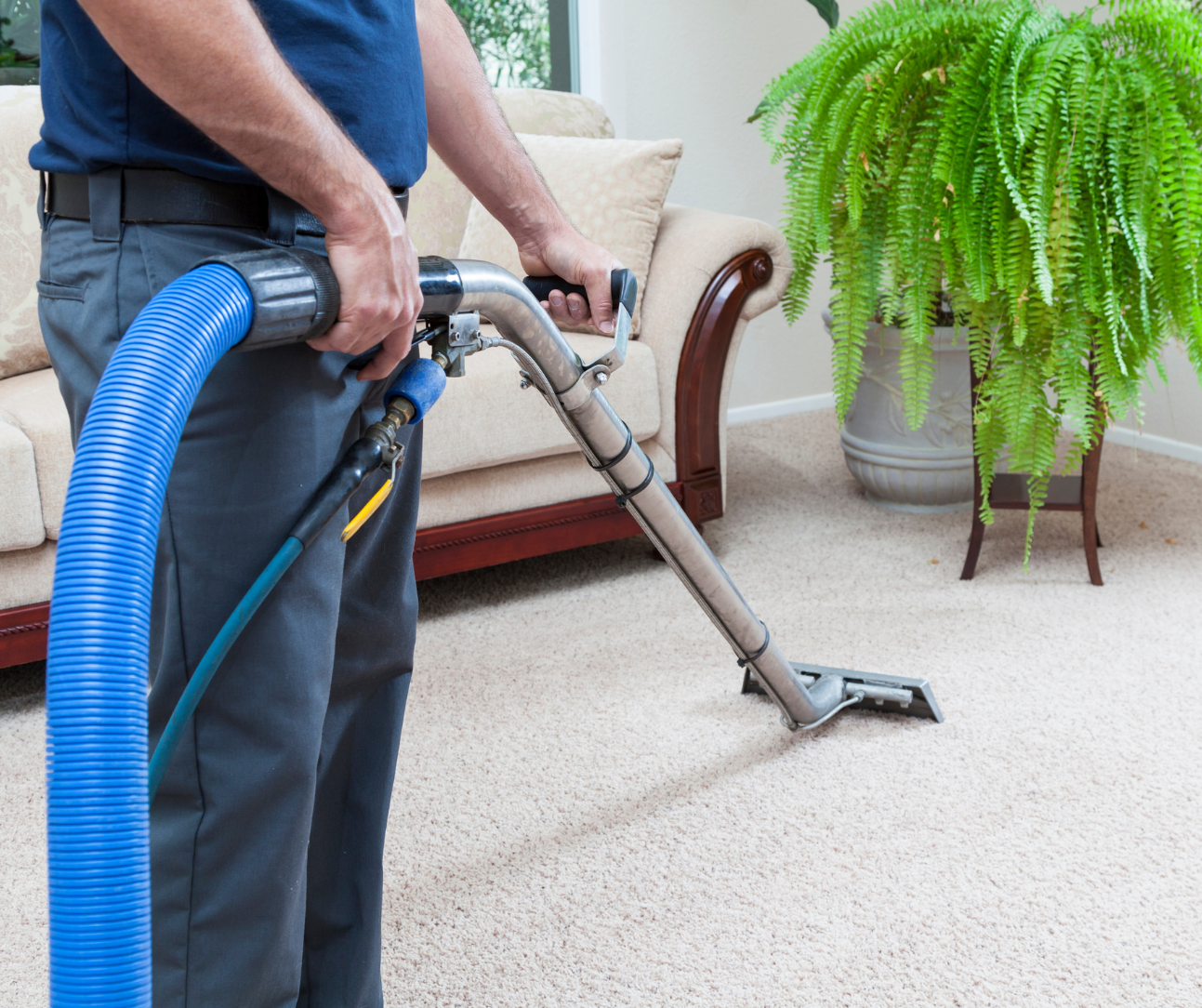
Carpet cleaning is especially important where there are stains, odours, or visible wear in high-traffic areas. A standard vacuum is rarely enough if there has been heavy use, pets, spills, or lingering smells. A deeper clean can improve presentation and help avoid deductions linked to the condition of carpets at move-out.
Pressure Cleaning
High-pressure cleaning is useful for outdoor areas that collect dirt, grime, mould, or built-up residue over time. Paths, patios, driveways, balconies, and other external surfaces can quickly make a property look neglected if they are not properly cleaned. This type of service helps restore the overall appearance of outdoor spaces before the final inspection.
Window Cleaning
Window cleaning goes beyond just wiping the glass and includes the details that often stand out during inspection. Tracks, screens, frames, and built-up dust or dead insects can make otherwise clean windows look unfinished. A thorough window clean helps the property feel brighter, tidier, and more complete overall.
Gardening
Gardening services help bring outdoor areas back to a neat and manageable standard before handover. This can include mowing, edging, weed removal, trimming, and general tidy-up work to improve presentation. Even when the inside of a property is spotless, an untidy yard can still affect the final impression.
Light Maintenance Fixes
Small maintenance issues can sometimes trigger deductions if they are left unresolved at the end of the tenancy. Minor fixes, where applicable, may include things like replacing damaged fittings, addressing loose items, or tidying up small presentation issues that stand out during inspection. Taking care of these details early can help prevent simple problems from becoming bigger discussions later.
The Evidence You Need for a Smooth Bond Return
Keeping the right records makes it easier to support your bond claim and respond clearly if any part of the refund is questioned.
Entry and Exit Photos/Videos
Take clear photos or videos from the same angles with good lighting so you can show the property’s condition at the start and end of the tenancy.
Cleaning Receipts/Invoices and Scope
Keep all cleaning receipts and invoices to show what work was completed and when it was done.
Maintenance and Repair Communications
Save emails or messages about repairs and maintenance so you have a written record of issues you reported during the tenancy.
Entry Condition Report Copy and Any Addenda
Hold onto your entry condition report and any updates because they help confirm what was already noted when you moved in.
Key Return Confirmation and Final Meter Readings
Keep proof that keys were returned and record final meter readings, where relevant, to avoid confusion after handover.
What to Do If Your Bond Claim is Disputed
If your bond claim is challenged, staying organised and responding with clear evidence will put you in a much stronger position.
Request Details
Ask for an itemised list of deductions and the evidence supporting each one so you know exactly what is being claimed.
Share Your Records
Provide your own photos, invoices, condition reports, and written communication to support your side of the claim.
Keep It In Writing
Handle all communication in writing and keep your wording factual, calm, and focused on the evidence.
Follow the Process
If the issue cannot be resolved directly, use the formal dispute resolution process available in your state or territory.
Use Professional Proof
A documented professional clean or maintenance invoice can reduce ambiguity and help strengthen your position if the condition of the property is questioned.
How NSCG Maintenance Can Help Make Move-Out Simpler
At NSCG Maintenance, we help make the bond return process easier with one convenient booking that covers the most common inspection trouble spots. Rather than coordinating several different services, you can count on us for a thorough, checklist-based clean that helps minimise overlooked areas, repeat work, and unnecessary moving-day pressure.
We clean your spaces that property managers usually look at most carefully, from ovens, rangehood filters, cupboards, splashbacks, and grease build-up in the kitchen to grout, mould-prone areas, drains, and fixtures in the bathroom. We also give extra attention to floors, edges, corners, skirting boards, and hard-floor residue, with add-on options such as carpet cleaning, window cleaning, pressure cleaning, and garden tidy-ups to help leave the property looking complete and well presented.
To strengthen your bond claim, we can also provide clear invoices and a detailed scope of work for your evidence pack, helping make conversations with your property manager simpler and reducing the chance of unnecessary disputes.
Book your end-of-lease clean, or choose your move-out date and preferred services to get started.
A Smoother Bond Return Starts Well Before Inspection Day
If you want a clear answer to the question “How do I get my rental bond returned?” with the least friction, the formula is straightforward. Prepare early, understand your obligations, leave the property inspection-ready, keep your evidence organised, and follow the correct state-based claim process.
For many tenants, the lowest-risk move is professional end-of-lease support. It saves time, reduces the chance of missed details, and makes it easier to hand back a property that looks ready for the next occupants.
Key Takeaways
- Bond returns usually come down to condition, cleanliness and evidence.
- Most deductions are preventable when you plan early and work to a consistent checklist.
- Professional end-of-lease cleaning and maintenance are often the safest way to reduce disputes and maximise your refund.
- The process changes by state, so always confirm the latest claim steps with the relevant authority.
Frequently Asked Questions
How do I get my rental bond returned at the end of a lease?
To give yourself the best chance of getting your bond back, leave the property clean, well-presented, and in the condition required under your lease, then lodge the bond claim through the correct state or territory process. It also helps to keep photos, receipts, and records in case any part of the claim is questioned.
How long does it take to get a bond refund?
The timing can vary depending on your state or territory, whether both parties agree, and whether the claim is lodged correctly. Refunds are usually processed faster when there is no dispute and all the required details are complete.
What can a landlord deduct from my bond?
A landlord or property manager may be able to claim deductions for things like unpaid rent, cleaning issues, damage beyond normal wear and tear, or missing items that should have been returned with the property. Any deduction should generally be supported by evidence and follow the correct process.
What’s the difference between fair wear and tear and damage?
Fair wear and tear is the natural deterioration that happens through normal everyday use over time. Damage usually refers to avoidable harm, neglect, breakage, or anything beyond what would reasonably be expected during a tenancy.
Do I have to attend the final inspection?
It is not always mandatory, but attending the final inspection is strongly recommended where possible. Being there gives you the chance to answer questions, clarify issues, and deal with small problems before they turn into deductions.
What cleaning is usually required to pass a final inspection?
Final inspection cleaning usually goes beyond a general tidy-up and focuses on kitchens, bathrooms, floors, windows, walls, and outdoor areas. Property managers often look closely at things like ovens, grout, shower screens, window tracks, skirting boards, carpets, and rubbish removal.
Is professional end-of-lease cleaning worth it to get my bond back?
For many tenants, it is worth it because it reduces the chance of missed details and helps the property look more inspection-ready. It can also save time, lower stress, and provide invoices or receipts that support your bond claim if questions come up later.
What evidence should I keep to avoid bond disputes?
Keep entry and exit photos, your condition report, cleaning invoices, repair records, and written communication about maintenance or tenancy issues. The more clearly you can show the property’s condition and the steps you took before handover, the stronger your position will be.
Can I claim my bond online?
In many cases, yes, because a lot of states and territories now use online bond claim systems or portals. The exact process depends on where you rented, so it is important to check the correct authority for your area before lodging the claim.
What should I do if my landlord disputes my bond refund?
Start by asking for a clear breakdown of the deductions and the evidence supporting them. Then respond with your own documents, keep everything in writing, and follow the formal dispute process in your state or territory if the issue cannot be resolved directly.